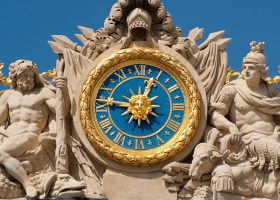


Don’t let the gilded halls and manicured gardens fool you—the true history of Versailles is one of power, scandal, and political genius. It’s the story of how a small hunting lodge was weaponized into a gilded cage, forcing an entire aristocracy to submit to the will of one man. Prepare to uncover the bizarre rituals and ruthless ambition of the Sun King in a tale that’s stranger than fiction.
Versailles, France: A Fast Guide to the History of Versailles and Why It Still Matters
Located a short distance outside of Paris, the Château de Versailles housed French monarchs until they were chased out in 1789 during the French Revolution. The palace was stripped afterward, but many rooms have been carefully restored, and the site is now UNESCO-listed and wildly popular—so plan ahead.
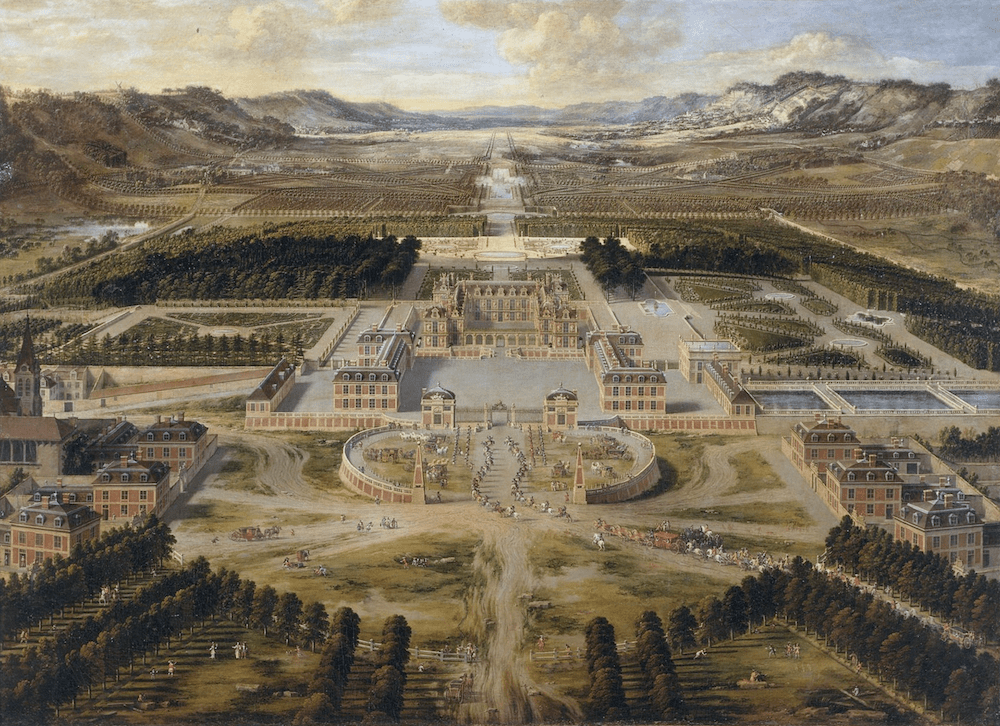
At its prime (the outrageous facts):
- About 2,300 rooms across roughly 63,000 m² of palace interiors.
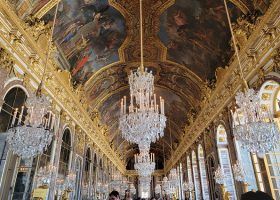
- Hall of Mirrors: 73 meters long with 357 mirrors—the stage for the Treaty of Versailles in 1919.
- Over 1,600 water jets by the end of Louis XIV’s reign, requiring scientists and academics.
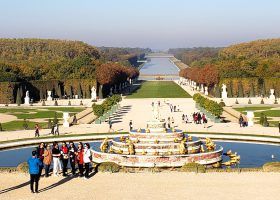
- An estate of roughly 800 hectares with grand avenues, the Grand Canal (~1.7 km), and vast hunting grounds.
- Court life ran on strict daily rituals (the lever, coucher, and grand couvert)—access to the king was power.
- Learn more about the top things to see at the Palace of Versailles.
Why we’re still talking about it:
The History of Versailles is a blueprint for how spectacle becomes statecraft, and the Palace of Versailles history explains why absolute monarchy looked unstoppable—until it wasn’t. The palace shaped European court culture, witnessed the Versailles treaty, and remains a living classroom on politics, propaganda, and design. Discover how to visit the Palace of Versailles today!
Palace of Versailles History: The Wildest Things That Happened There
The history of Versailles is a testament to the fact that power isn’t just about military might, but about spectacle and control. These are the wildest, most unusual aspects of palace life that reveal Louis XIV’s genius for political manipulation.
1. The Lever and Coucher: Public Dressing and Undressing
- The king’s morning was a full production.
- Nobles competed fiercely for minor roles, like handing him a shirt.
- It kept them focused on favors instead of politics—a genius move by Louis XIV.
2. Le Grand Couvert: Dinner as a Spectacle
- Eating alone? Not here. Louis XIV’s meals were watched by hundreds.
- Simply standing in the room was an honor, and every move was part of a carefully staged performance.
3. Versailles: The Gilded Cage
- Moving the court to Versailles wasn’t just about beauty—it was about control.
- Nobles were cut off from their home territories and trapped in a cycle of ceremonies, balls, and hunts.
- The History of Versailles Palace is really a story of political manipulation.
4. The Sun King Show
- Louis XIV used theater and imagery to embody Apollo, the god of the sun.
- Costumes, ballets, and court performances cemented his role as the center of France.
- Versailles became the stage where power looked divine.
5. The Affair of the Poisons
- Behind the luxury, a dark scandal brewed in the 1670s.
- Nobles were implicated in plots involving poisons, fortune tellers, and even black masses.
- Louis XIV responded with ruthless trials and executions—proof that paranoia was as much a part of Versailles as gold leaf.
Dig Deeper Into the History of Versailles With These Tours!
Versailles is jaw-dropping, but without a guide it’s easy to just see “a lot of gold and mirrors.” A great tour connects the glitter to the gossip, making the History of Versailles Palace come alive in ways a solo wander never could.
Not ready to book a tour? Find out if a Versailles tour is worth it.
Palace of Versailles History by King: A Royal Timeline
Louis XIII: From Hunting Lodge to Château (1610–1643)
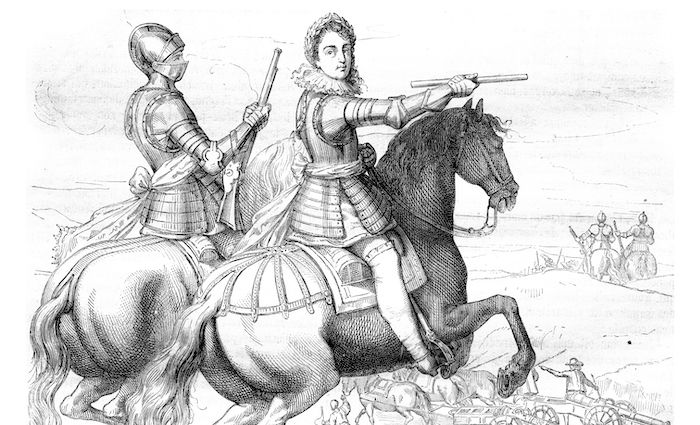
Louis XIII had a passion for hunting, and the dense forests of Versailles, just 19 km (12 miles) from Paris, were his favorite spot. In 1624, he built a small hunting lodge here, but according to historians, it had a terrible odor.
Fun Facts about the Lodge:
- It smelled of urine and fecal matter due to poor hygiene.
- Historians believe a lack of toilets meant some visitors relieved themselves behind curtains.
- Louis XIII preferred his residence at Saint-Germain, but the stags at Versailles kept him coming back.
By age 30, Louis XIII decided to transform the smelly lodge into a proper château. He exiled his “politically overbearing” mother to secure the funds and laid the foundation for the massive palace we see today.
Louis XIV: The Sun King’s Grand Vision (1643–1715)
Louis XIV, a “beloved” but “bonkers” king, initially ignored Versailles for the first 18 years of his reign. But a sudden change of heart, fueled by his love affairs, led to a period of intense construction and redesign.
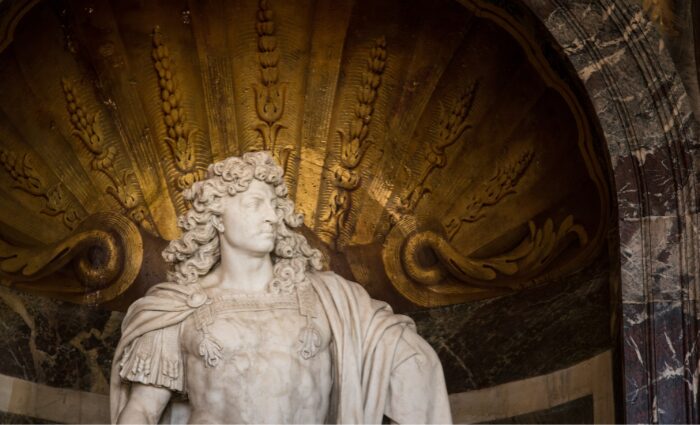
A Palace of Opulence:
- A Retreat for Lovers: Louis XIV used Versailles as an escape for his lovers, prompting him to quickly remodel the château and its gardens.
- The Gardens of Versailles: The king enlisted the great landscape architect André Le Nôtre, who transformed the grounds into a masterpiece far superior to what we see today.
- A Political Tool: Louis XIV didn’t just build a palace—he created a “gilded cage” to control his nobles. He forced the aristocracy to live at Versailles, keeping them under his watchful eye and distracting them with endless parties and ceremonies.
In 1678, with his coffers full from a war against the Dutch, Louis XIV began his biggest project yet: turning the château into a vast royal residence. The construction included two massive wings, courtyards, and even a stately residence for his horses. By 1710, the Palace of Versailles history reached a turning point as the grand structure was proclaimed “finished.”
Life at Court:
- The Lever and Coucher: The king’s daily dressing and undressing ceremonies were public shows. Hundreds of courtiers would compete for the honor of a minor task, making access to the king the ultimate prize.
- The Grand Couvert: Louis XIV ate his dinner alone, but in front of a live audience of courtiers. It was an honor to simply stand and watch him eat, showing how every action reinforced his absolute power.
Louis XV: Modest Upgrades (1715–1774)
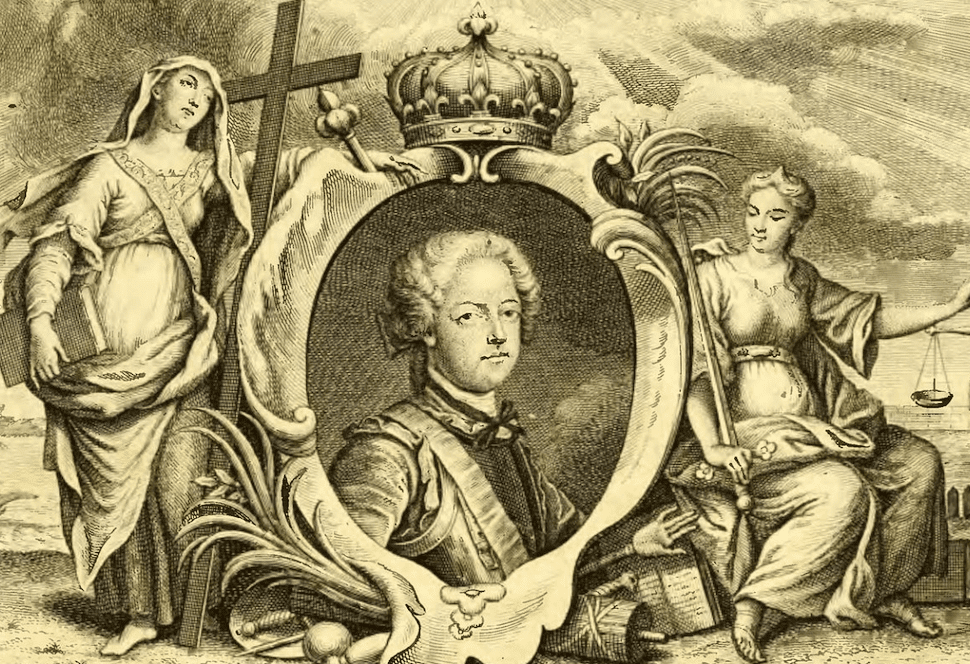
After Louis XIV’s death, the court abandoned Versailles for seven years. Louis XV finally returned at age 12. Though he never matched his predecessor’s contributions, he made significant upgrades, including a theater and a salon.
- A Reflection of the Monarchy: Historian Tony Spawforth notes that the palace’s condition became a reflection of the monarchy’s health. Its upkeep was essential for maintaining the illusion of power established by Louis XIV.
Louis XVI: A Final Chapter (1774–1792)
Louis XVI began his reign at 20 with a deep respect for his great-grandfather’s vision. He focused on improving the gardens, and his wife, Marie-Antoinette, famously resided at the Petit Trianon, a “little town” built just for her. At this time, Paris mobs were already restless about bread shortages.
The End of the Era:
- American Revolution: In 1778, France officially backed the American Revolution. Nobles complain that Louis is bankrupting France for someone else’s war.
- Treaty of Paris: In 1783, the Treaty of Paris ended the American Revolution. Louis XVI was rather proud of himself for helping destroy his enemy (England), but the numbers didn’t lie: France had crippling debt.
- Out of Touch: In 1784, Louis XVI was forced to move to a new château closer to Paris. He was more focused on renovations than on the starving people of France, which created a “mega-crisis.” Around the same time, Marie Antoinette was accused of plotting to buy a ridiculously expensive necklace, which caused further unrest.
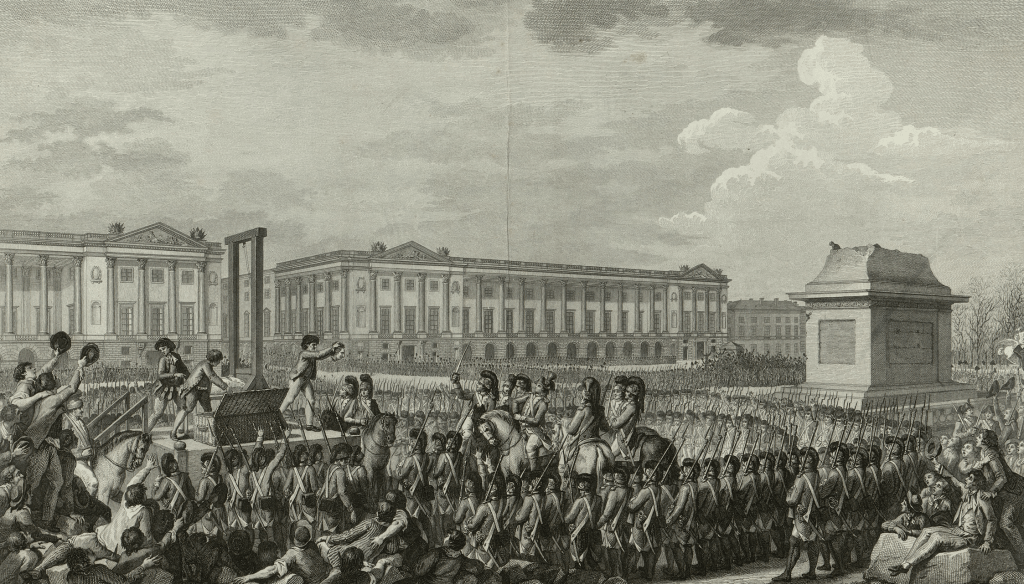
- The Downfall: In 1789, after the worst harvest in decades, a mob of starving women marched on Versailles and demanded bread, forcing the royal family to move to the Tuileries Palace.
- A Grim End: Louis XVI and Marie-Antoinette were executed by guillotine on January 21, 1793, bringing the era of royal life at Versailles to a dramatic close.
Why Versailles Still Matters
The Palace of Versailles history didn’t end when the royals lost their heads. After the Revolution, Versailles shifted from royal playground to the stage for big world moments—most famously, the Treaty of Versailles was signed here in the Hall of Mirrors in 1919. Today, the Château de Versailles is one of the busiest attractions in Versailles France, drawing millions of visitors every year.
And keeping it beautiful is no small job. Teams of gardeners, historians, and restorers work nonstop to care for the 800-hectare estate, from its fountains to its 2,300 rooms. That means when you visit, you’re not just walking through gilded halls—you’re stepping into a place that’s still alive with history.
Best Tours of Versailles
Versailles is jaw-dropping, but without a guide it’s easy to just see “a lot of gold and mirrors.” A great tour connects the glitter to the gossip, making the History of Versailles Palace come alive in ways a solo wander never could.
Not ready to book a tour? Find out if a Versailles tour is worth it.
Final Thoughts
The History of Versailles is wild, dramatic, and way more entertaining than any textbook ever made it sound. From a smelly hunting lodge to the golden stage for the French Revolution and the Treaty of Versailles, it’s a place that still shapes how we see power and spectacle. If you’re heading to Paris, the Château de Versailles is a must-see—it’s the ultimate blend of beauty and scandal wrapped into one visit.
Want more Paris travel tips? Check out these guides:
Best Tours of Versailles
How to Visit the Louvre Museum
Top Things to Do in Paris
How to Get to the Palace of Versailles from Paris

Where To Stay in Paris
With a city as magnificent as Paris, it can be hard to find the perfect hotel at the perfect price. Explore the best hotels and places to stay in these incredible neighborhoods in Paris.