

Leonardo da Vinci was far more than just a painter. He was a scientist, inventor, and restless thinker who shaped the Renaissance and influenced the modern world. From the Mona Lisa to war machines sketched centuries ahead of their time, his works reveal a mind that never stopped asking questions. This guide explores da Vinci’s life, timeline, inventions, and where to see his masterpieces today.
Who was Leonardo da Vinci?
Imagine a guy who couldn’t stop tinkering—paints a little, sketches a helicopter, and spends years dissecting corpses, all while leaving half his projects unfinished. That’s Leonardo. He was a product of the early Renaissance, a time when the world was expanding and ancient ideas were being rediscovered.
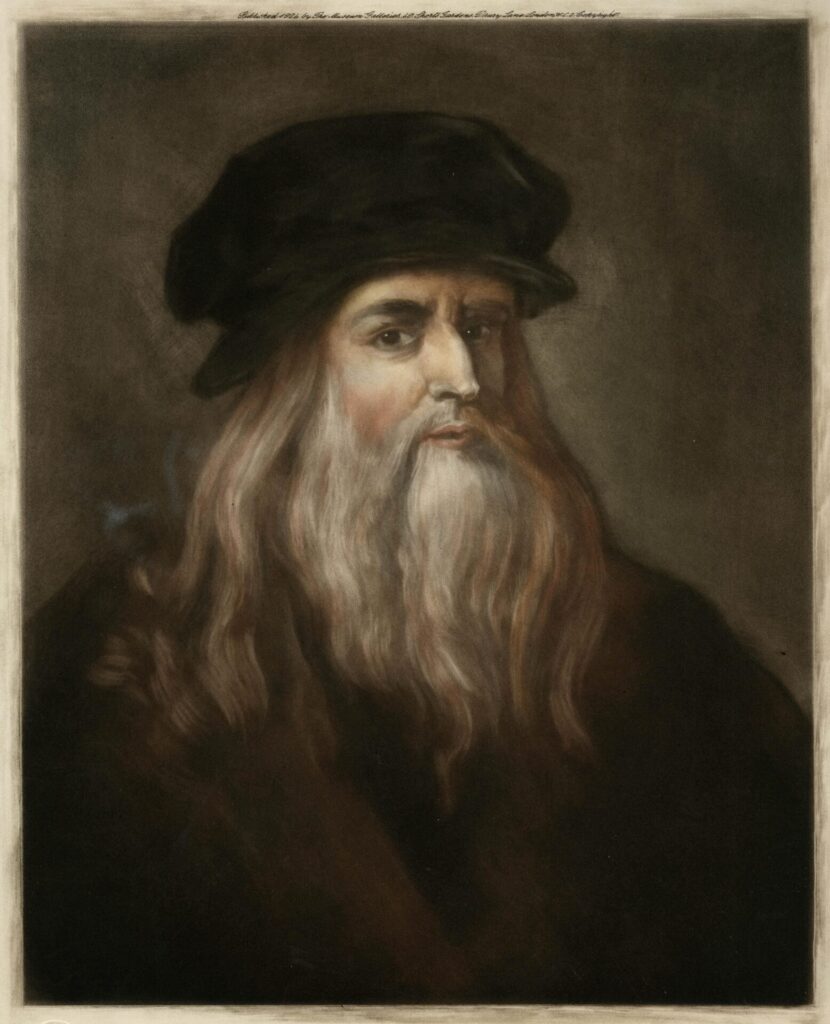
- He was a painter, a sculptor, a scientist, and an engineer. He saw no difference between art and science.
- He left behind thousands of pages of notebooks filled with drawings, diagrams, and notes—many written in his famous mirror script.
- He was a “bastard,” born out of wedlock, which meant he couldn’t follow his father into the family business. That’s probably why he became an artist.
- He lived during the early Renaissance, a time when old ideas were being challenged and the world was opening up.
Leonardo da Vinci Timeline
The best way to get to know Leonardo is to walk through his life, one masterpiece and misadventure at a time. This timeline breaks down his major milestones and masterpieces, from his humble birth to his death in France.
1452: Leonardo da Vinci Is Born in Vinci
Our story starts in the small Tuscan town of Vinci, where Leonardo was born to a notary and a peasant woman. Because he was an illegitimate son, the social door to a prestigious legal career was slammed shut.
- He was a “bastard,” a social label that prevented him from pursuing his father’s profession in law.
- Since he couldn’t attend the formal schools of Florence, he was forced to learn by observing nature and tinkering.
- His lack of formal education in his youth may have been a blessing in disguise, as it pushed him to become an independent thinker and a meticulous observer of the natural world.
1469: Apprenticeship with Verrocchio (Florence)
At 17, Leonardo was sent to Florence to become an apprentice in the studio of Andrea del Verrocchio, one of the most famous artists of his time. This was Leonardo’s formal education in art, where he learned everything from painting to sculpting and engineering.
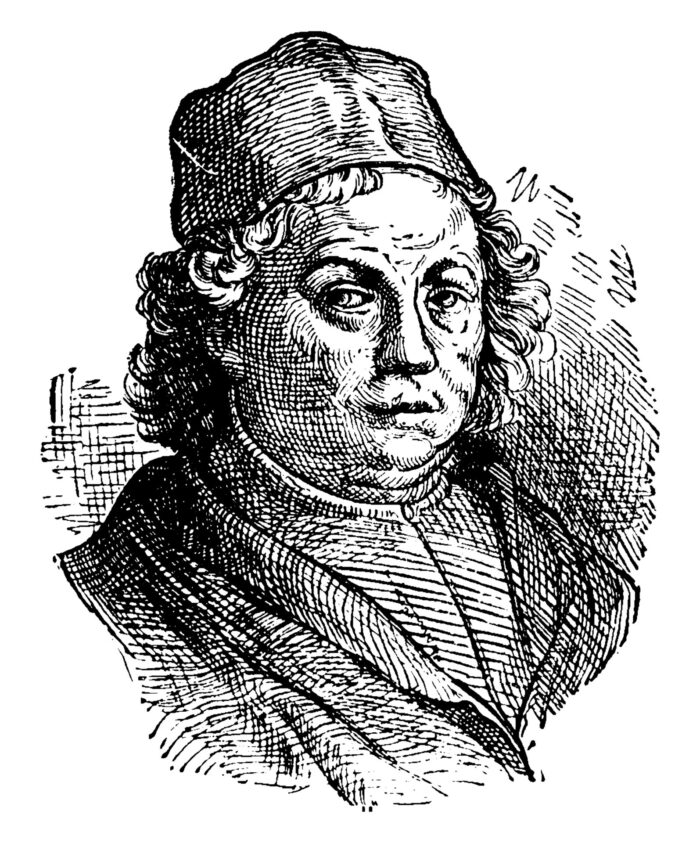
- There’s a legend that Leonardo was so good at painting an angel in Verrocchio’s Baptism of Christ that his master was so impressed he swore off painting forever. That’s probably an exaggeration, but it tells you how good he was.
- He got into some trouble, too. In 1476, he was anonymously accused of sodomy with a young man, a serious crime at the time. The case was dismissed, but it was a reminder that life for an outsider like Leonardo was always a bit precarious.
1482: Leonardo da Vinci Moves to Milan to Serve Ludovico Sforza
Seeking new opportunities, Leonardo sent a job application to Ludovico Sforza, the Duke of Milan. His letter was a masterclass in self-promotion, listing ten military inventions he could create and only at the very end mentioning, “Oh, by the way, I can also paint.”
- He was hired by Sforza and spent 17 years in Milan, where he designed machines for festivals and invented incredible war gadgets that were too advanced to be built at the time.
- He also worked on civil engineering projects, including improving Milan’s canal system.
- During this time, he created incredible inventions like an early type of machine gun, a 33-barreled organ gun, and improved catapults.
- This period cemented his reputation as a man ahead of his time, with a brain that could envision a future no one else could even imagine.
1480s–1490s: Leonardo da Vinci’s Anatomy Studies and Mirror-Writing Notebooks
During his time in Milan, Leonardo began to pursue his fascination with human anatomy. He would sneak into hospitals at night to secretly dissect corpses, an act that was considered a social taboo and a legal grey area at the time.
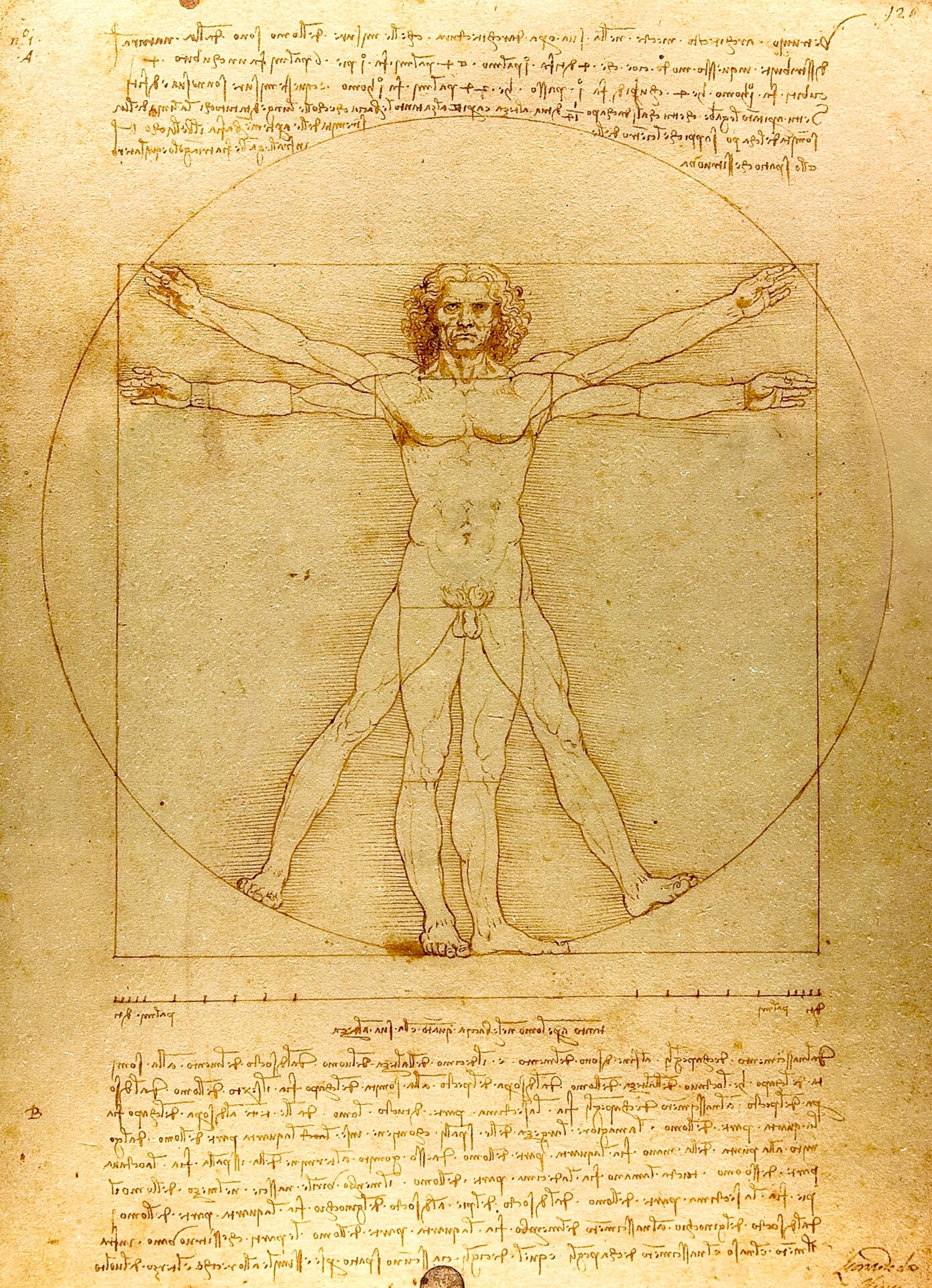
- He created hundreds of detailed drawings of muscles, bones, and organs with incredible accuracy.
- He wrote many of his notes in “mirror script,” a technique he used either because he was left-handed or to protect his research from nosy priests and officials.
- This isn’t just a weird hobby. His obsession with anatomy gave his paintings incredible realism. He knew exactly what was beneath the skin.
1495–1498: The Last Supper — Leonardo da Vinci’s Mural in Milan
While in Milan, Leonardo was commissioned by Ludovico Sforza to paint The Last Supper in the Convent of Santa Maria delle Grazie. This would become one of his most well-known works, but he famously tried a new painting technique that began to flake off the wall within 20 years.
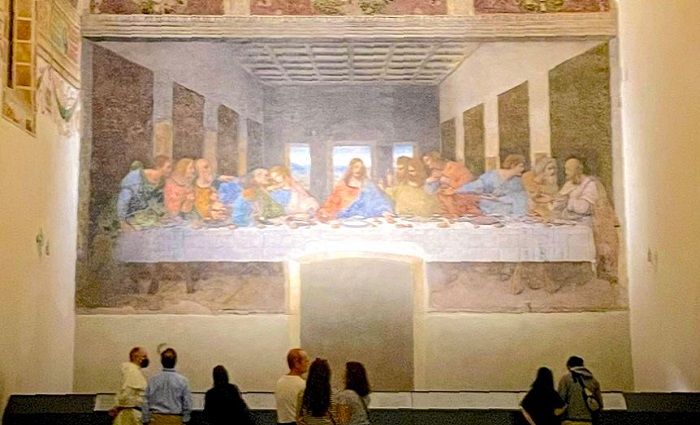
- He wasn’t afraid to break the rules. He put Judas, the betrayer, on the same side of the table as the other disciples—something no one had ever dared to do before.
- This painting wasn’t just a job; it was a way for him to show off his deep understanding of human emotion and psychology.
- Discover what made The Last Supper so famous and learn how to see it for yourself at Santa Maria delle Grazie!
1503–1506: Mona Lisa — Leonardo da Vinci’s Sfumato Masterpiece
After a brief return to Florence, Leonardo began work on a portrait of Lisa Gherardini, the wife of a wealthy Florentine silk merchant. The painting, which would become the most famous in the world, was a deeply personal project that he never fully completed.
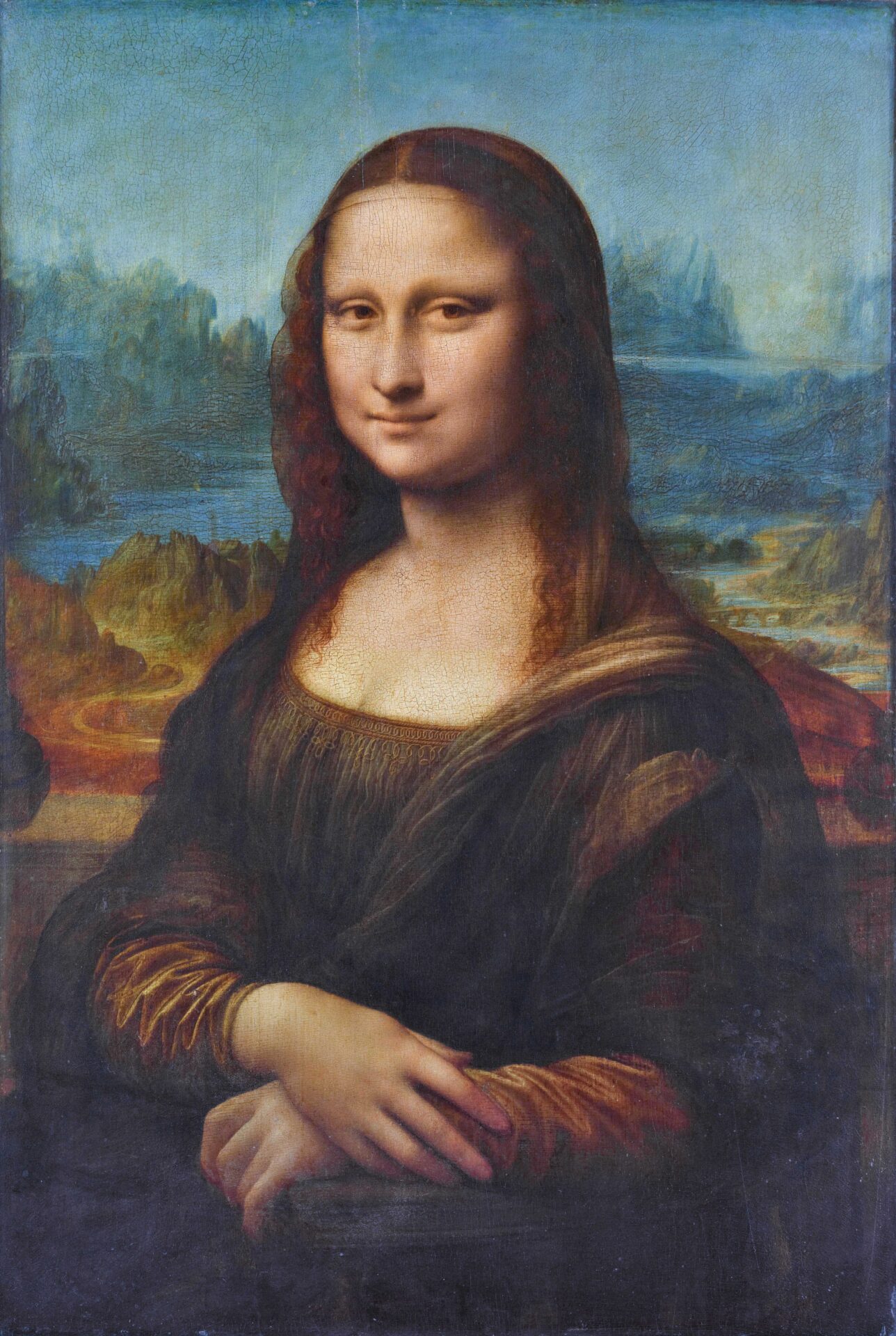
- Leonardo was so enamored with the painting that he kept it with him for the rest of his life, traveling with it to France and never handing it over to the client who commissioned it.
- He used a soft, smoky technique called sfumato that gave the Mona Lisa a softer look than earlier works from his teacher, Verrocchio, who used a darker outline and strong jawlines.
- The fact that he kept the painting until his death is why it now hangs in the Louvre in Paris and not in Italy.
- Discover more amazing facts about the Mona Lisa and learn how to see it for yourself at the Louvre!
1513–1516: Leonardo da Vinci in Rome Under the Medici
Leonardo arrived in Rome to work for the Pope’s brother, Giuliano de’ Medici. While his rivals, Michelangelo and Raphael, were completing major commissions and becoming famous, Leonardo spent his time in a workshop.
- He was a man with a thousand ideas but a short attention span. He wasn’t interested in doing what everyone else was doing.
- This period shows how Leonardo was becoming less of a painter and more of a full-blown eccentric scientist.
1516–1519: Last Years of Leonardo da Vinci’s Life
At 64, Leonardo was invited to France by King Francis I and given the title “First Painter, Engineer, and Architect to the King.” He was treated like a superstar, given a chateau, and granted the freedom to work on whatever he pleased.
- He brought his most prized possessions with him, including the Mona Lisa, which was essentially his pet project.
- He spent his final years working on his scientific notebooks and advising the King on various projects.
- The legendary story that King Francis I was at Leonardo’s bedside when he died is probably a romanticized tale, but it reflects the immense respect the King had for him.
Guided Tours: See da Vinci’s Genius Up Close
Want to learn the secrets and stories of da Vinci’s masterpieces? We’ve got you covered with these top-rated tours.
Not ready to book a tour? Check out articles on How to Visit the Louvre and How to See the Last Supper.
Leonardo da Vinci’s Works & Where to See Them
Leonardo’s artistic output was small, but his masterpieces are among the most famous in the world. Here’s where to go to see Leonardo’s genius up close:
- Leonardo da Vinci at the Louvre (Paris): Home to the most famous painting in the world, the Mona Lisa, as well as The Virgin of the Rocks, La Belle Ferronnière, and St. John the Baptist.
- Leonardo da Vinci at the Uffizi (Florence): You can see his early, unfinished masterpiece, Adoration of the Magi, as well as his early work, the Annunciation.
- Leonardo da Vinci at Santa Maria delle Grazie (Milan): This is where you can find his most famous fresco, The Last Supper.
- Leonardo da Vinci at the Vatican Museums (Vatican) His unfinished painting, St. Jerome in the Wilderness, is on display here.
- Leonardo da Vinci at the National Gallery (London): The second version of Virgin of the Rocks is displayed in this museum.
Leonardo da Vinci’s Inventions & Notebooks
Leonardo’s notebooks are filled with thousands of pages of designs for machines and inventions that were centuries ahead of their time. Though many were never built, they reveal the mind of a true visionary.
- Flying Machines: He designed several flying machines, including the Ornithopter, which was designed to fly by flapping its wings, and the Helical Aerial Screw, considered a predecessor to the modern helicopter.
- Military Machines: His military designs were both innovative and terrifying, including a tank-like armored car, a giant crossbow, and an early form of a machine gun, the 33-barreled Organ Gun.
- Other Inventions: He also designed a robotic knight, a self-propelled cart, a leather diving suit, and a more accurate version of an anemometer to measure wind speed.
Final Thoughts
Leonardo da Vinci’s life was a testament to the power of human curiosity and imagination. He was a man who saw no distinction between art and science, and his legacy is a reminder that the greatest minds are those that are never satisfied with what they already know. While he only has a handful of completed works, his contributions to both art and science continue to influence the way we see the world.
Planning a trip to Florence, Paris, or Rome? Check out these resources: