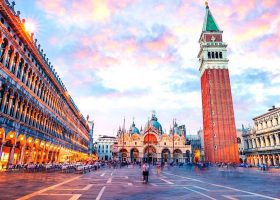


So you’re finally doing it—you’re heading to Europe. Maybe you’re eyeing the Colosseum, the Eiffel Tower, or a pint in London. But before you start stuffing your suitcase with adapters and dreams of gelato, there’s a long list of questions every first-timer asks. From tipping to train travel to whether or not tours are worth it, we’re answering the Europe FAQs we get every single week.
We are The Tour Guy, and we’ve helped thousands of travelers explore Europe. This is your ultimate cheat sheet for one of the most important steps—starting your Europe travel planning.
Quick Look: European Stigmas — What’s True and What’s Not
Europe comes with a lot of clichés. Some are spot on, while others are wildly outdated. Here’s a lightning round of truths and myths before we get into the logistics.
Everyone wears tight clothes
True. Style matters in Europe. Just aim for fitted, not suffocating.
No air conditioning
False. Modern hotels and restaurants have it. Old buildings might not.
Europeans only drink wine and fancy drinks
True-ish. The everyday beer and wine are just better in Europe.
Scams and pickpockets everywhere
False. Big cities have them, but they’re no worse than elsewhere in the world.
Coffee means espresso only
True in concept—everything’s espresso-based, and drip coffee is nearly impossible to find.
Everyone smokes and drinks
Mostly true. You’ll especially notice it at outdoor tables, but compared to ten years ago, there’s less smoking.
All cars are tiny
True. Narrow streets and small parking areas make it necessary.
Everyone dresses well
True. Europeans take pride in their appearance.
The food is better
Absolutely. Fewer preservatives and locally grown fruits and vegetables naturally make the food taste better.
Tipping isn’t a thing
Mixed. While it’s true you’re not expected to tip 10%, leaving a few euros is polite.
Everyone speaks English
Mixed. Big cities, yes. Countryside, not so much.
Everyone hates Americans
False. Be respectful, and you’re fine.
Trip Planning FAQs
How far in advance should I plan and book my trip to Europe?
If you’re planning a big trip, aim for 2–6 weeks ahead at minimum. For in-demand experiences, lock things in 3–4 months early—especially during peak season.
Book early for:
How many days do I need in major cities?
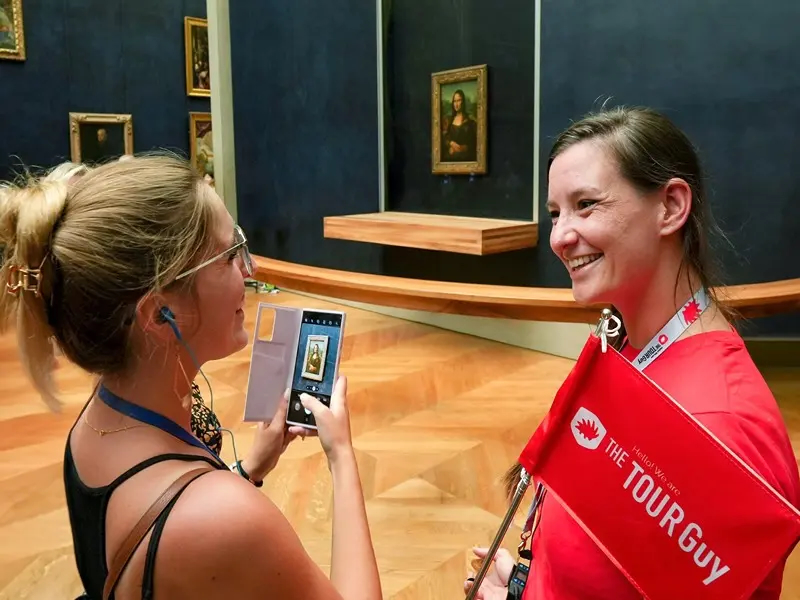
There’s really no maximum amount of time you can spend in a city, but you can ruin a trip by rushing through them. We recommend:
- Major cities like Rome, Paris, and London: 3 full days minimum
- Smaller cities like Florence, Venice, and Naples: 2 full days minimum
Do I need a visa to visit Europe (and what’s ETIAS)?
If you’re an American traveler, you don’t need a visa for most Schengen countries. However, you will need to abide by the new Europe EES (Entry/Exit System), and at some point in the future, you might need an ETIAS (a quick online travel authorization).

How do I decide which countries or cities to visit?
Think about who you’re traveling with and how you like to explore:
- Families: Rural regions or beaches where kids can move freely.
- Couples: Big cities + a side to the coast or mountains.
- Groups: Pick a region (Provence, Tuscany, Dalmatia) and dive deep.
- Foodies: France, Italy, Greece—plus underrated gems like Belgrade, Istanbul, Budapest, and Prague.
What’s overrated or should I avoid in 2026?
Overtourism sounds a lot worse in the news than it actually is. Sure, it’s true that major landmarks come with crowds and long lines, but they’re must-dos for a reason. Here are some tips to escape the busy areas on your trip to Europe:
- Explore side museums and after-hours tours.
- Plan early morning or late-night visits.
- Find restaurants via Google Maps reviews, not Instagram posts.
Check out our articles on the best restaurants in Paris, Rome, London, and Venice!

I’m torn between two major cities. How do I choose?
Stop overthinking it. Close your eyes and picture the highlight of your trip—the meal, the music, the view. Whichever city pops into your head first is where you should go. Instinct beats itinerary every time.
Transportation FAQs
How do budget flights compare to trains in Europe?
Budget flights can be cheaper—but by the time you factor in airport transfers, luggage fees, and waiting around, trains often win for comfort and convenience.
Rule: Under four hours? Take the train. Over four? Fly.
How should I choose the right transport option?
- Train for mid-distance routes.
- Plane for long hauls.
- Never drive into a major city (you’ll regret it by the first roundabout).
- Use rental cars only for countryside or coastal drives.
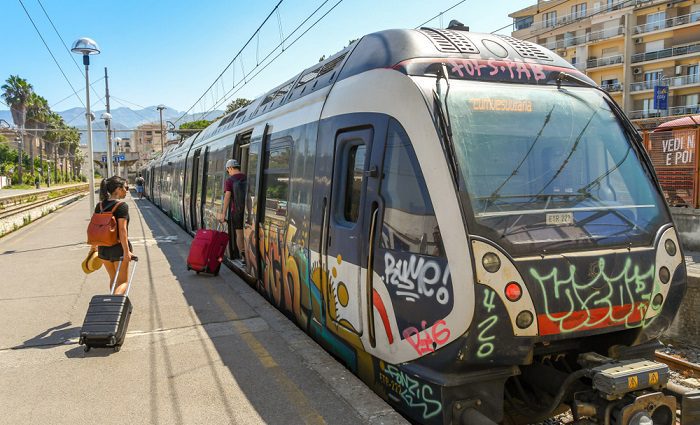
Is public transit safe in Europe?
Yes. The main issue is pickpocketing, not danger. Metros in Paris, Madrid, and Vienna are world-class. Just keep your bag zipped and your phone tucked away when it’s crowded.
Should I rent a car?
- Cities: Skip it—parking is scarce and stress levels high.
- Countryside: Go for it—it gives you freedom.
- Always grab an International Driver’s Permit from AAA before you go. Cheap, easy, and can save your trip.
From the airport: private driver, train, or taxi?
A private driver is best if you value convenience—especially with luggage or a late-night arrival. For cities like London or Paris, trains are easy and reliable. Taxis work fine, but can be expensive during rush hour.
Not ready to book a tour? Learn more about the best tours to take in Rome and why!
What to See & Do FAQs
Are tours worth it?
Yes. A good tour lets you switch your brain off while still learning and exploring.
- For top attractions, tours skip the lines and hit the highlights.
- Food tours? They reveal neighborhoods and hidden gems you’d miss on your own.
One tour a day is the sweet spot to balance structure and spontaneity.
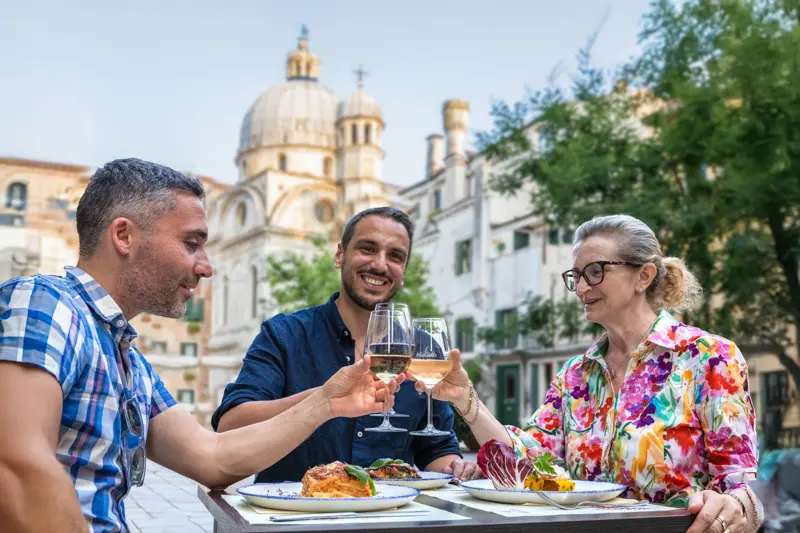
Are tours fast or slow-paced?
Group tours move fast as they’re built to maximize time, while private tours move at your speed. If you prefer slower travel or photography breaks, go private for at least one experience.
What’s the difference between booking tickets directly or through a tour?
Booking directly is possible and often cheaper, but that also means you’re competing with a lot of people for the same time slots. On the other hand, tour companies handle all the logistics and often include extras—priority entry, access to limited areas, and licensed guides.
How do I hire a private guide for a day?
You can find guides on forums or local listings, but it’s a gamble. Some are excellent, some aren’t. Booking through a reputable company guarantees vetted guides, smoother logistics, and often better value overall.

What are the top things to do in a new city?
Three staples:
- A food tour early in the trip.
- A major monument or museum tour with skip-the-line access.
- A transport or walking tour to get your bearings.
If you’ve got more time, add a day trip or countryside excursion.
Europe Accommodation FAQs
Should I use Airbnb, Booking.com, or Expedia?
- Airbnb Apartments: Ideal for families or long stays, just keep in mind that check-ins and check-outs tend to come with more hassle.
- Hotels: Best for couples or short visits thanks to easier logistics.
- Booking.com: Great for comparing both and filtering by amenities.
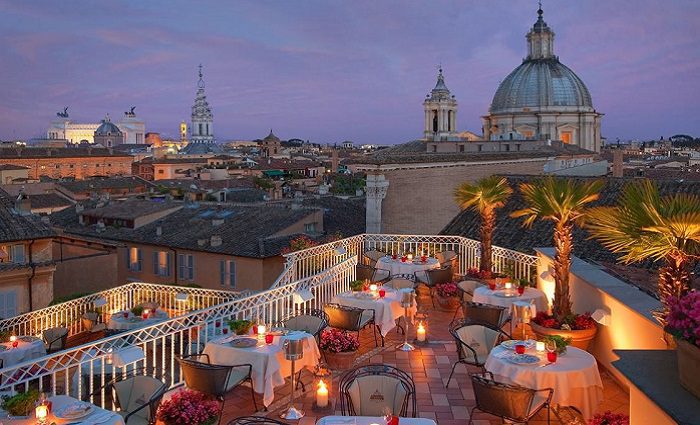
Should I stay near a train station or major monument?
Train stations are convenient but often gritty. Monuments are stunning but noisy. We recommend splitting the difference—pick a central neighborhood near good transit, bakeries, and late-night dining.
Looking for your perfect hotel? Check our curated hotel guides for Paris, Rome, London, and Venice!
European Culture FAQs
How much should I tip?
- Restaurants: Round up or leave a few euros. In Northern Europe, 5–10% for great service.
- Taxi: Round up.
- Tour guides: €5–10 per person if they nailed it.
Remember, in Europe, staff are paid fair wages. Tips are a thank-you, not a salary.
Cash or card?
Cards are widely accepted, but keep some cash for markets, small cafés, or tips. Use ATMs from major banks, not currency exchange kiosks. And yes—carry a backup card.
How do I ask if someone speaks English?
Just say “English?” politely, or learn the local version (“Parlez-vous anglais?”, “Parla inglese?”). A smile goes a long way—humility earns more respect than perfect pronunciation.
Final Thoughts
Europe isn’t a checklist—it’s a layered experience full of culture, quirks, and conversation over espresso. Plan early, stay flexible, and don’t stress the small stuff. And when you want to skip the lines, skip the guesswork, and go straight to the good stuff? Join one of our expert-led tours across Europe. We’ll handle the logistics, you handle the adventure.
Not ready to book a tour? Learn more about the best tours to take in Paris and why!