
French People Arr. Rude Podcast Show Notes
S1, E19: Murder, Miracles, and the Church’s Favorite Fugitive
In this episode of French People Arr. Rude, Sean and Brandon sort through Caravaggio’s chaotic genius. He painted like a master, fought like a criminal, and reshaped Baroque art forever. Listen below or skim these show notes to discover how he went from a troubled teen to giving the boldest apology art history has ever seen.
The History & Influence of Caravaggio
Caravaggio’s life was infused with sword fights and scandal, but the real story lies in how each bloody detour impacted his art. Below, meet the man who painted faster than the law could catch him.
1571–1590s: Childhood, Plague & Poverty
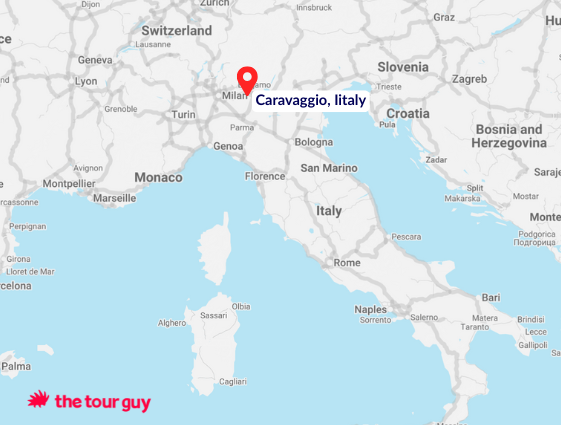
Michelangelo Merisi, the artist we now all know as Caravaggio, was born in 1571 in Milan—a city under pressure from both plague and religious upheaval. As the Catholic Church fought to hold power during the Counter-Reformation, daily life for many, including Caravaggio’s family, was defined by fear and uncertainty.
In 1576, plague forced his family to flee to the nearby town of Caravaggio. However, the move didn’t save them. His father died when he was six, and his mother died when he was thirteen.
Amid this chaos, Caravaggio began an apprenticeship with painter Simone Peterzano. There, he learned the power of color and realism. It was the perfect storm of technical training and personal trauma, which would shape the darkness and drama of his later work.
1590s: A Starving Artist in Rome
In his early twenties, Caravaggio moved to Rome to chase the church’s wealth. He scraped by painting still‑lifes and tavern scenes, selling them quickly for food and wine. He lived with gamblers and prostitutes, kept a sword at his side, and built a reputation as much for brawling as for brushwork.
1600–1606: Glory and Grit
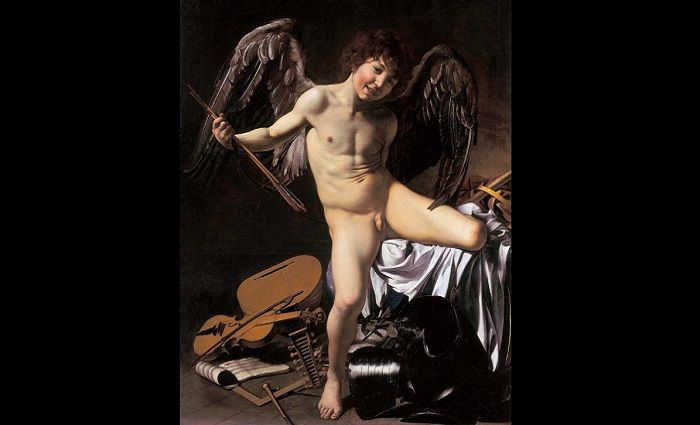
Despite the chaos, Caravaggio’s talent couldn’t be ignored. The Church, desperate to connect with the masses through vivid religious scenes, turned to him for raw, emotional artwork. He painted real people, used deep shadows, and leaned into dramatic lighting. He hired homeless models and made saints look human.
But not everyone loved it. Many commissions were rejected for being “too real.” Still, he had protectors. The Colonna family shielded him, and his patrons included high-ranking clergy.
1606: Murder and Exile
Caravaggio’s temper finally caught up with him. After a Pallacorda game, he fatally wounded a well-known pimp named Ranuccio Tomassoni with his sword. Rome didn’t look kindly on that, and he was convicted of murder.
The Roman court declared a Bando Capitale, which meant anyone, anywhere, could legally kill Caravaggio on sight.
So, he ran.
See Caravaggio’s Masterpieces IRL
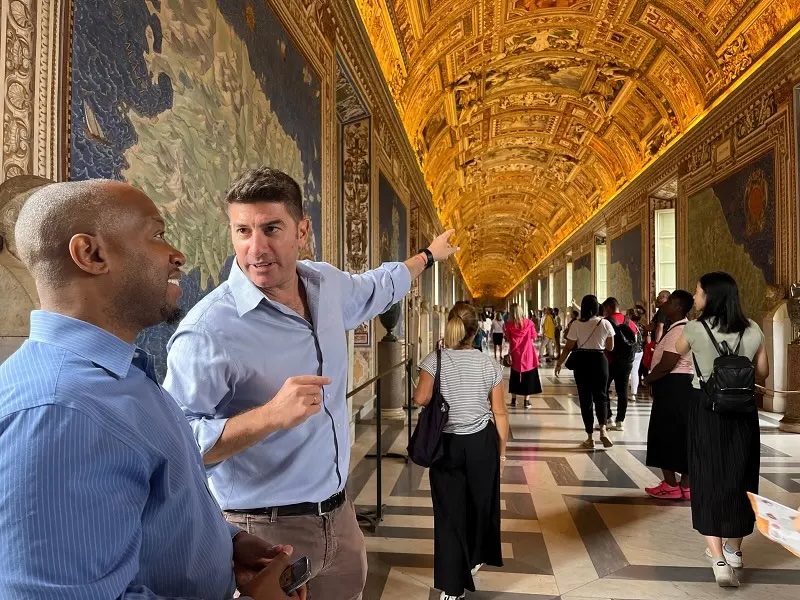
Privileged Entrance Vatican Tour with Sistine Chapel & St. Peter’s Basilica
3 Hours | €€
Skip the line and gain direct access to the Raphael Rooms, Creation of Man & Scala Regia passageway.
Book Now!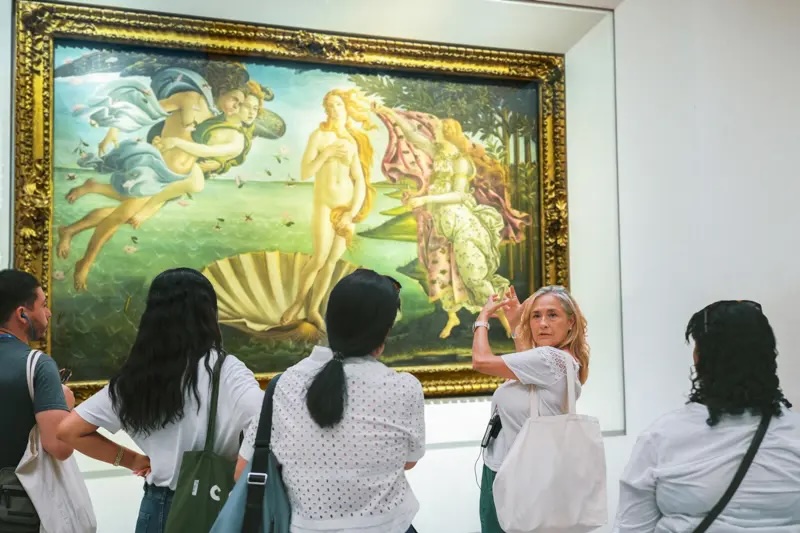
Skip the Line Uffizi Gallery Tour
2 Hours | €€
See Botticelli, Caravaggio, and Michelangelo’s masterpieces in Florence’s famous Uffizi Gallery.
Book Now!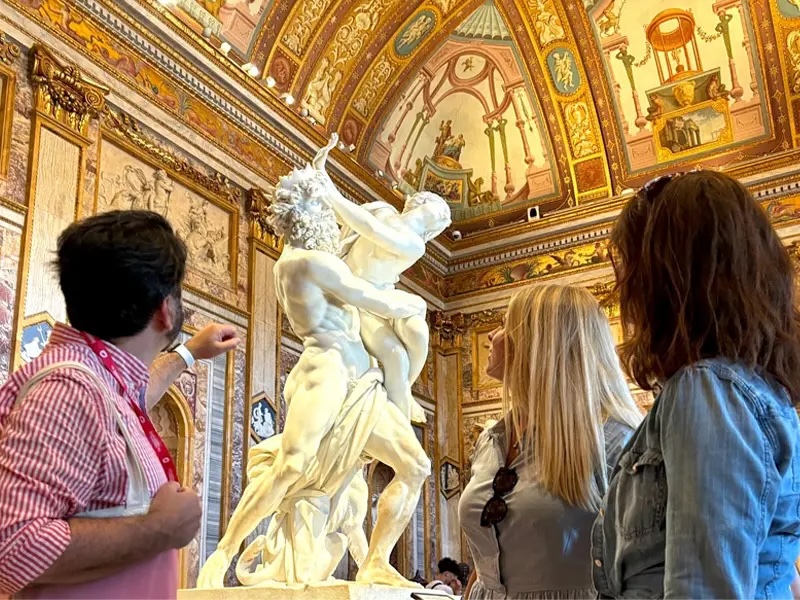
Skip-the-Line Borghese Gallery Tour
2 Hours | €€
Join an intimate small-group tour and uncover Baroque masterpieces with an expert guide.
Book Now!1606–1610: The Fugitive Years
Caravaggio’s escape from Rome became a drama-filled tour of Mediterranean hideouts, each chapter adding intrigue and masterpieces to his legend.
Alban Hills (1606)
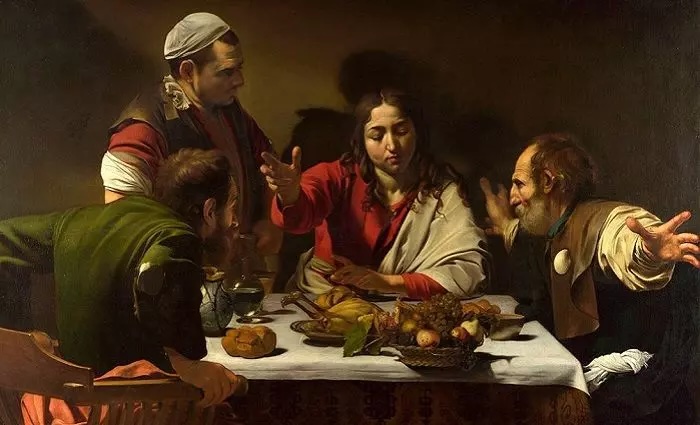
Sheltered by the influential Colonna family just outside Rome, Caravaggio disappeared into their estates while they worked to confuse authorities about his whereabouts. In exchange, he painted works like Supper at Emmaus, now housed in Milan’s Brera Gallery.
Naples (1606–1607, 1609–1610)

In Spanish-controlled Naples, he found both safety and a flood of commissions. His Seven Works of Mercy secured his reputation as a master even in exile, though the city’s rough edges mirrored his own.
Photo by Ed Cumming, CC BY 2.0 via Wikimedia Commons.
Malta (1607–1608)
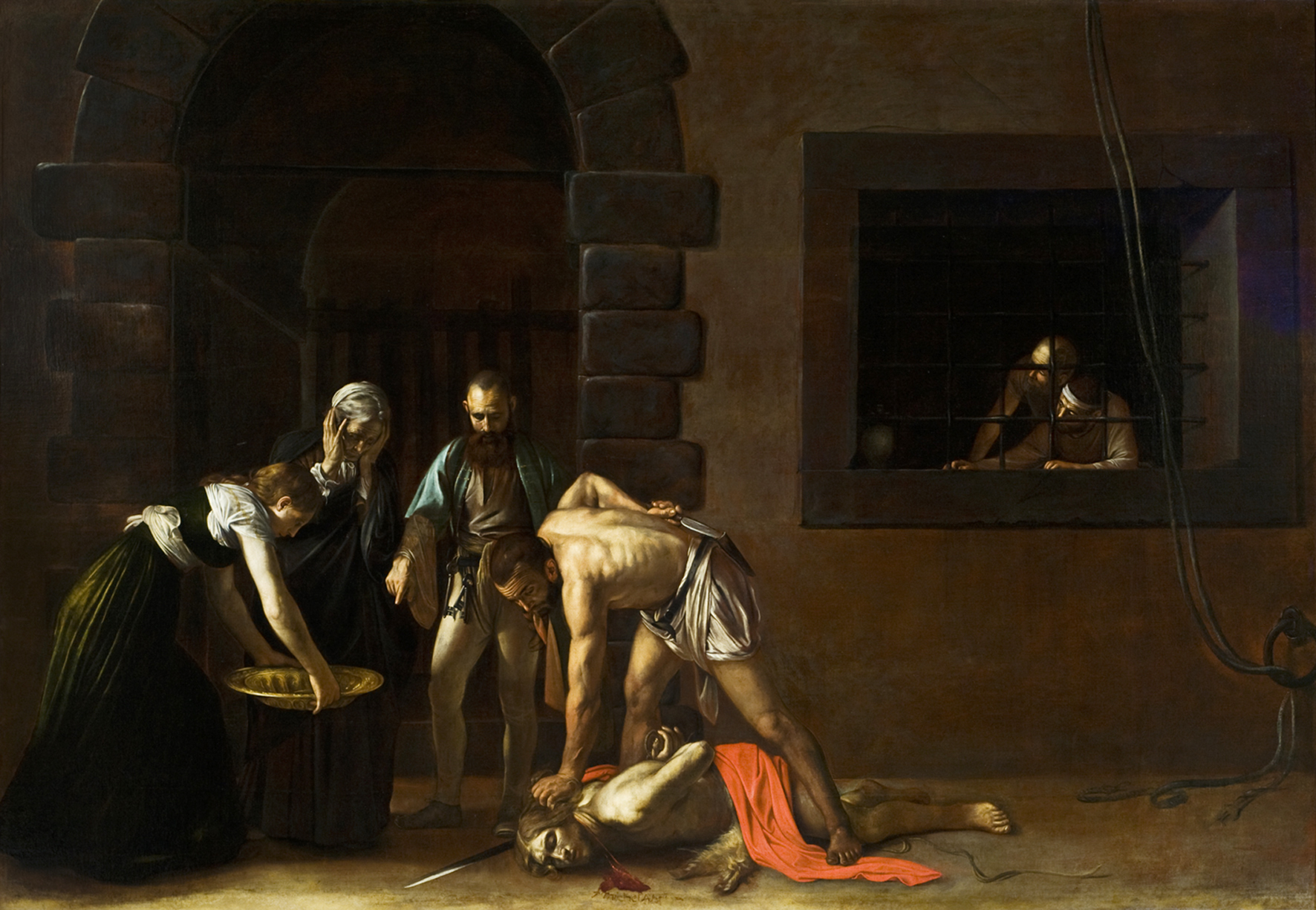
Hoping to earn a papal pardon, Caravaggio joined the prestigious Knights of Malta and painted The Beheading of Saint John the Baptist, the only work he ever signed. Unfortunately, he got into another violent fight, was imprisoned, and then escaped under murky circumstances.
Sicily (1608–1609)
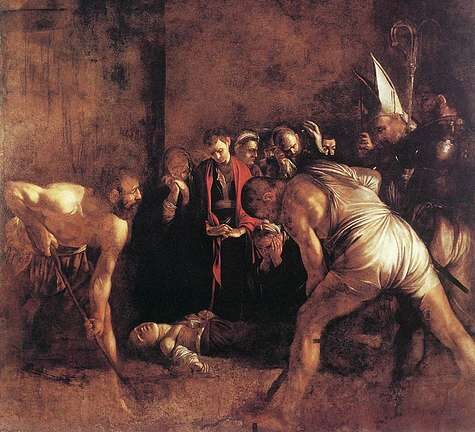
Through the following year, Caravaggio drifted between Syracuse, Messina, and Palermo, producing altarpieces that grew more somber and introspective—The Burial of Saint Lucy and The Adoration of the Shepherds among them. His paranoia deepened, and reports say he never stayed in one place for long.
Naples (Return, 1609–1610)
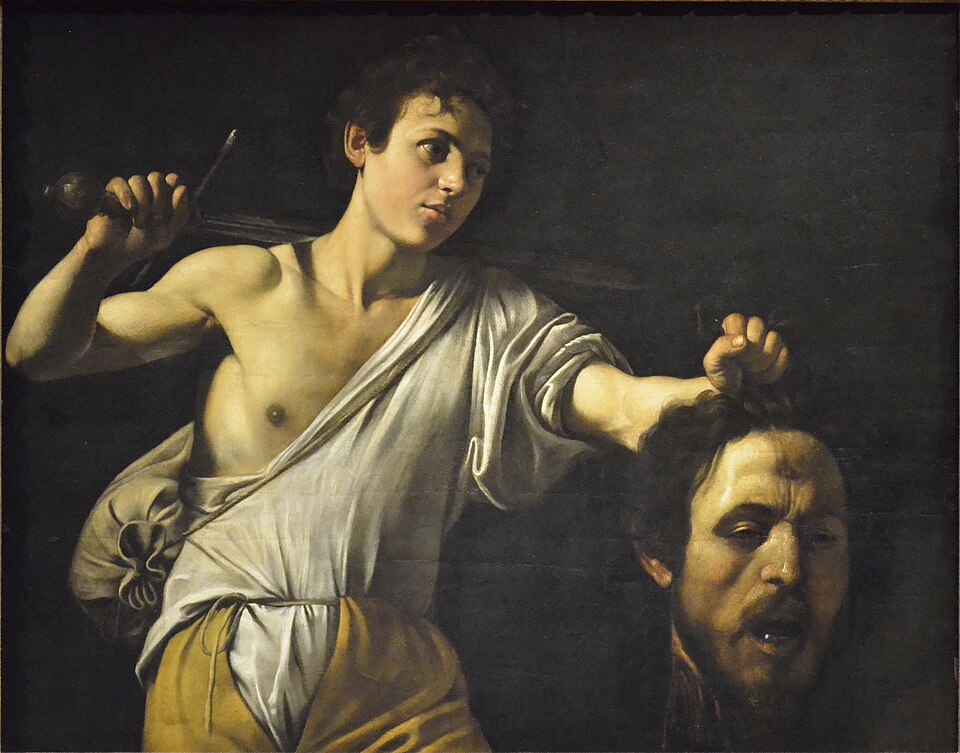
Caravaggio returned once more to Naples, hoping word of a pardon would finally arrive. While there, he painted David with the Head of Goliath, portraying his own severed head in Goliath’s—widely interpreted as a plea for forgiveness. Not long after, he suffered another brutal attack, possibly by enemies from Malta, and made plans for a final journey north.
1610: A Mysterious Death in Porto Ercole
Caravaggio’s final journey, in the summer of 1610, was supposed to be his triumphant return to Rome, pardoned at last. He set sail from Naples with a few of his final paintings in tow, including David with the Head of Goliath, in which David holds the severed head of Goliath painted with Caravaggio’s own face.
It was a raw act of self-condemnation and the boldest apology art history has ever seen.
But he never made it back. On the way to Rome, he stopped in Porto Ercole. Some say he got sick and died. Others claim he was attacked. The truth is unclear. What we know: he died at 38, still exiled, still hunted, and still painting.
The end.
Aftermath: Influence and Where to See His Work
Caravaggio may have died young and surrounded by controversy, but his legacy lives on. Artists like Rubens, Rembrandt, and Velázquez studied his technique obsessively. His gritty, realistic approach reshaped Baroque art and turned sacred subjects into real, flawed humans.
Today, his paintings hang in churches and museums across Europe and the U.S., drawing crowds as intense and captivated as his work itself.
Here’s where you can find Caravaggio’s masterpieces today:
In Rome, Italy
- Galleria Borghese
The largest collection of Caravaggio’s works, including Boy with a Basket of Fruit, David with the Head of Goliath, and Sick Bacchus. - Church of San Luigi dei Francesi
Home to the dramatic “Saint Matthew” cycle: The Calling of Saint Matthew, The Inspiration of Saint Matthew, and The Martyrdom of Saint Matthew. - Capitoline Museums
Displays The Fortune Teller and John the Baptist with a Ram. - Church of Santa Maria del Popolo
Houses The Conversion of Saint Paul on the Road to Damascus and The Crucifixion of Saint Peter. - Vatican Museums
Features The Entombment of Christ. - Basilica di Sant’Agostino
Visit to see The Pilgrim’s Madonna (Madonna di Loreto). - Galleria Doria Pamphilj
Includes The Penitent Magdalene, Rest on the Flight into Egypt, and a version of John the Baptist. - Galleria Nazionale d’Arte Antica – Palazzo Barberini
Home to Judith Beheading Holofernes, Narcissus, and Saint Francis in Meditation.
Top Hotels in Rome
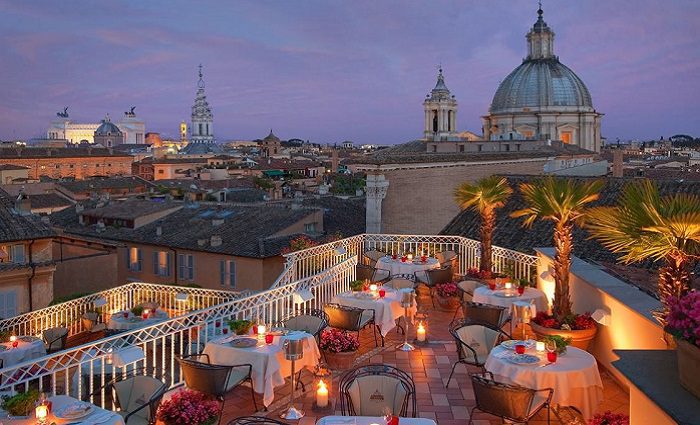
Bio Hotel Raphael ⭐⭐⭐⭐⭐
Piazza Navona • Terrace
Luxury hotel with a rooftop restaurant plus spacious and calming suites near Piazza Navona.
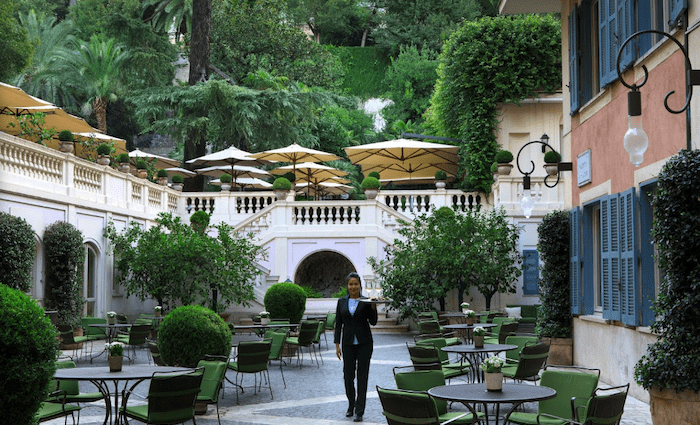
Hotel de Russie ⭐⭐⭐⭐⭐
Timeless Luxury • Spanish Steps
Popular hotel for VIPs like Bruce Springsteen with a classic Italian style and a dreamy courtyard.
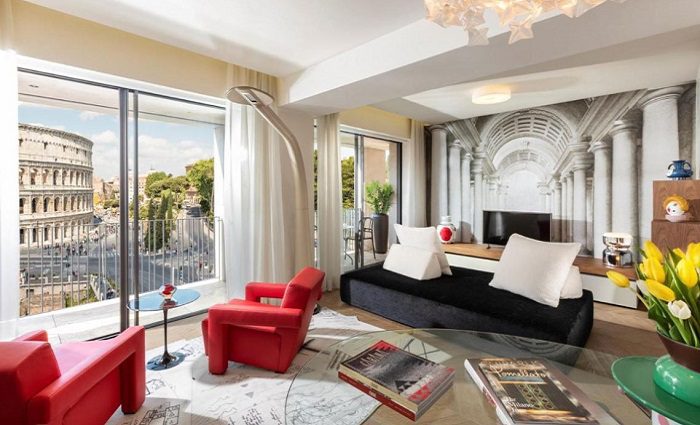
Palazzo Manfredi ⭐⭐⭐⭐⭐
Luxury • Near Colosseum • Terrace
Wake up to views of the Colosseum and enjoy meals on a stunning terrace in this top hotel in Monti.
Other European Cities
- Paris – The Louvre
Houses The Fortune Teller, Death of the Virgin, and Portrait of Alof de Wignacourt. - London – The National Gallery
Displays Supper at Emmaus and Salome with the Head of John the Baptist. - Madrid – Museo del Prado
Shows an early version of David and Goliath. - Florence – Uffizi Gallery
Features Bacchus and Medusa. - Naples – Museo di Capodimonte
Displays Flagellation of Christ. - Naples – Pio Monte della Misericordia Church
Home to Seven Works of Mercy, painted during Caravaggio’s exile. - Valletta, Malta – St. John’s Co-Cathedral
Houses the monumental Beheading of Saint John the Baptist, the only painting he ever signed.
Top Hotels in Paris
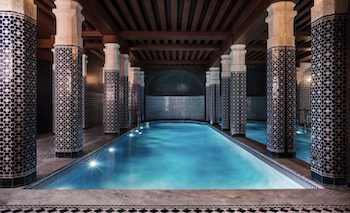
Maison Proust ⭐⭐⭐⭐⭐
Le Marais • Terrace • Sauna
Luxurious hotel opened in 2023 with fabulous communal spaces and a Turkish spa.
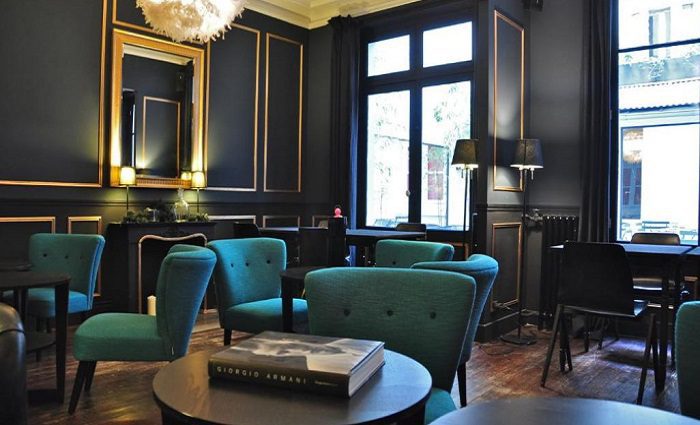
Alba Opéra Hôtel ⭐⭐⭐
Opéra Arrondissement • Courtyard
Charcter-packed and quaint, legends like Louis Armstrong have stayed here.
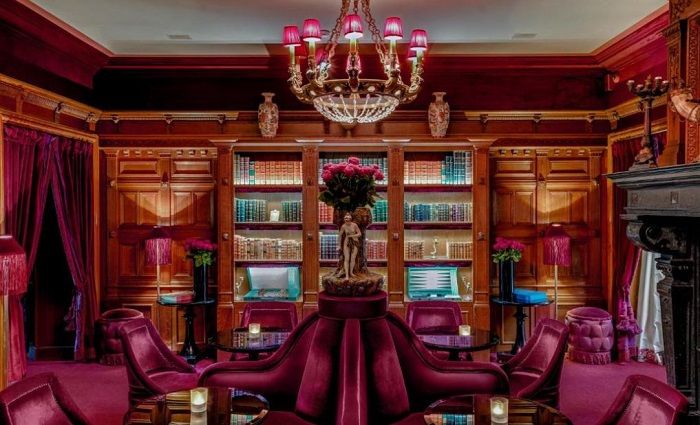
Maison Souquet ⭐⭐⭐⭐⭐
Montmartre • Belle Époque Theme
Delightfully swanky and romantic, with an on-site lounge and spa.
In the United States
- New York City – The Metropolitan Museum of Art
Features The Musicians and The Denial of Saint Peter. - Fort Worth, Texas – Kimbell Art Museum
Exhibits The Cardsharps. - Hartford, Connecticut – Wadsworth Atheneum
Displays Saint Francis of Assisi in Ecstasy. - Detroit, Michigan – Detroit Institute of Arts
Owns Martha and Mary Magdalene. - Chicago, Illinois – Art Institute of Chicago
Shows Resurrection and Madonna and Child.
Top Hotels in New York City
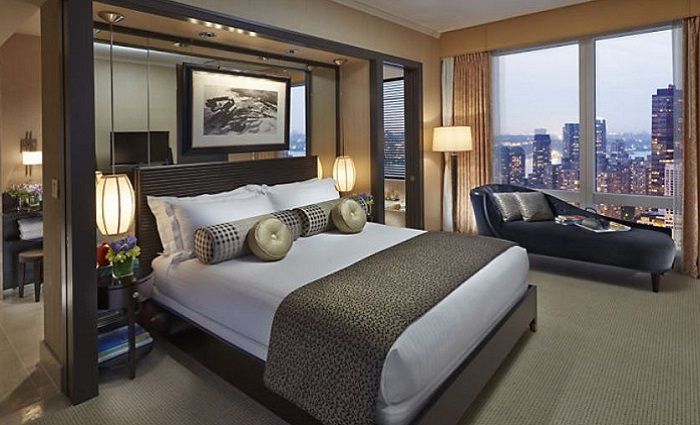
Mandarin Oriental ⭐⭐⭐⭐⭐
Oh-So-Swanky • Indoor Pool
Ultra-luxury hotel with a massive spa, a 75-foot lap pool, swanky decor, and rooms with chef kitchens.
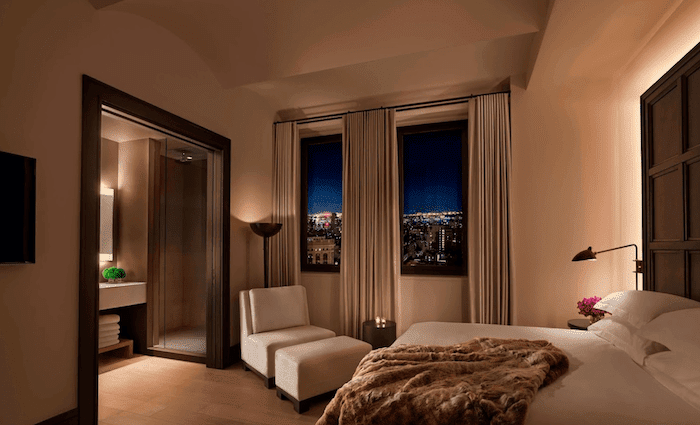
The New York Edition ⭐⭐⭐⭐⭐
Upscale Elegance • Michelin-Starred Restaurant
As iconic as hotel comes, this one was once the Metropolitan Life Insurance Company’s headquarters and oozes opulence.
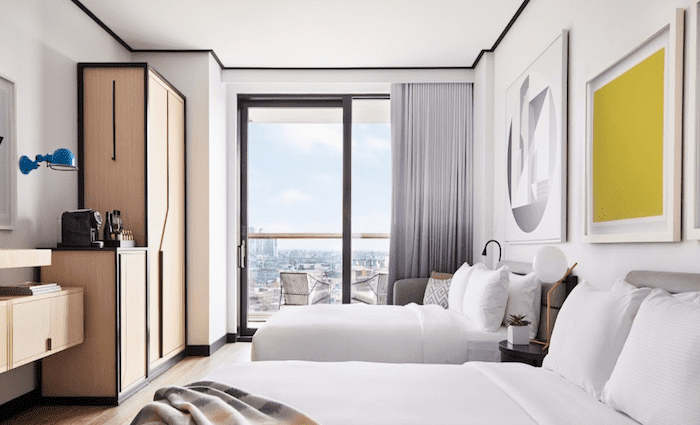
The William Vale ⭐⭐⭐⭐⭐
Contemporary Cool • Private Balconies
Modern and artsy with sunny rooms and balcony views. Plus, an outdoor jacuzzi and a maassive outdoor pool.

Pitch us on your story by emailing Press@thetourguy.com