

French People Arr. Rude Podcast Show Notes
S1, E18: Gladiators, Lions, and Imperial Propaganda
In this episode of French People Arr. Rude, Sean and Brandon dig into the myth, madness, and master planning behind the Roman Colosseum. They explain the historical context and provide practical insights into how the arena was used and what survives today. If you’re planning a visit or want a better understanding of ancient Roman entertainment and architecture, this episode will answer most of your questions.
What We Cover in This History of the Colosseum Episode
Resources Mentioned in This History of the Colosseum Episode
History of the Colosseum: Podcast Show Notes
Colosseum Stereotypes
What do you think, True or False? Click the arrow to check if you’re right!
The Colosseum is its original name.
False. Its original name was Amphitheatrum Flavium. The nickname “Colosseum” comes from a massive statue of Emperor Nero (the Colossus) that stood nearby.
Christians were thrown to the lions.
True, but not exclusively. Christians were persecuted here, but so were criminals, prisoners of war, and others. The arena didn’t discriminate.
Gladiators were ripped and sexy.
False. Think Danny DeVito in a loincloth. A bit of body fat was a survival tactic—muscle alone didn’t stop swords.
Gladiators always fought to the death.
Partly true. Some fights ended fatally, but gladiators were expensive investments. Owners often spared skilled fighters to fight another day.
There were mock sea battles like in Gladiator 2.
Maybe. There’s some evidence that the Colosseum was briefly used for naumachiae (sea battles), but it’s still debated among scholars.
Maximus was a gladiator.
False. Maximus is fiction. Great movie, not a real guy.
👉 Join our Special Access Colosseum Arena Floor Tour through the Gladiator’s Gate to learn the history from a licensed guide.
Construction of the Colosseum
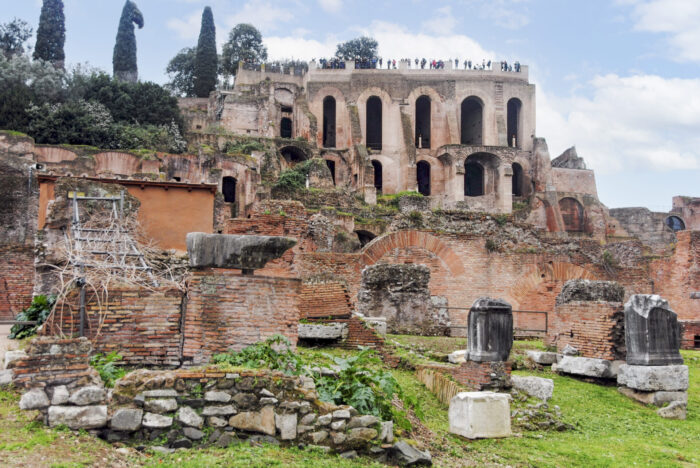
A Quick Timeline
- 64 AD: A major fire destroyed large parts of Rome. Emperor Nero claimed the burned land to build his private palace, which included an artificial lake.
- 72 AD: Nero’s successor, Vespasian, began construction of the Colosseum on the site of that artificial lake.
- 80 AD: Titus, Vespasian’s son, inaugurated the Colosseum with 100 days of games.
- 90s AD: The third emperor in the Flavian dynasty, Domitian, completed construction and added the underground tunnels.
Building Method
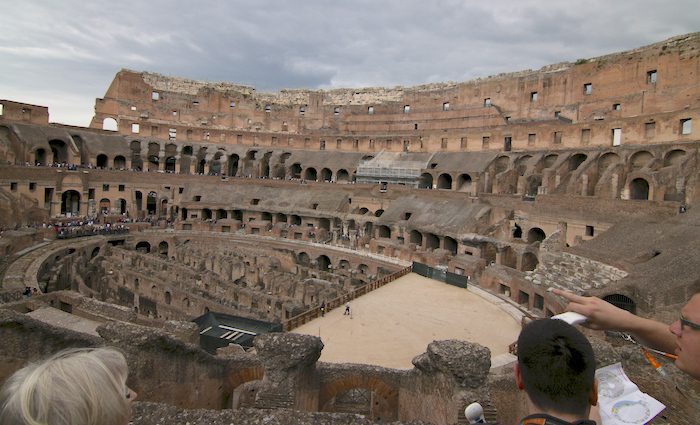
How did they raise a 150-foot travertine shell without forklifts? Slaves, wooden cranes, and log rollers. Quarry blocks trundled 30 miles from Tivoli, iron clamps stitched the masonry, and the velarium awning—hoisted by the imperial fleet—kept 50,000 spectators shaded.
Other Wild Fun Facts
- Foundations run 50 feet deep—an early answer to earthquake codes.
- “Arena” literally means sand in Latin; it soaked up blood for easier clean-up.
- Spoils from the Siege of Jerusalem bankrolled the build.
👉 Explore more on our Colosseum Underground Tour with Roman Forum and Palatine Hill.
Events Held in the Colosseum
Animal Fights
Mornings featured combat between exotic animals or between animals and trained fighters. Lions, tigers, bears, elephants, and giraffes were all used to showcase Rome’s wealth and reach.
Executions
At midday, executions were carried out. Common methods included crucifixion, burning, or being torn apart by wild animals. These were public punishments and part of the entertainment schedule.
Gladiator Battles
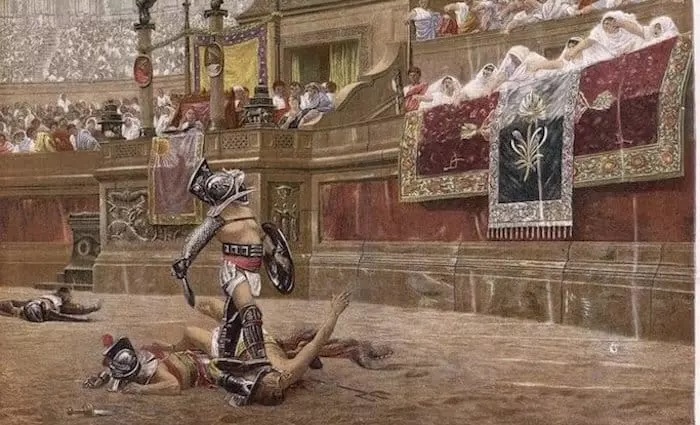
The main afternoon events were gladiator contests. These were carefully choreographed matches between trained fighters who often portrayed specific combat roles. Sets and props were sometimes used to re-create famous battles or mythological stories.Interessante Fact: Games were free to attend. Emperors used them to gain popularity, and wealthy citizens had the best seats near the arena.
Top Hotels in Rome
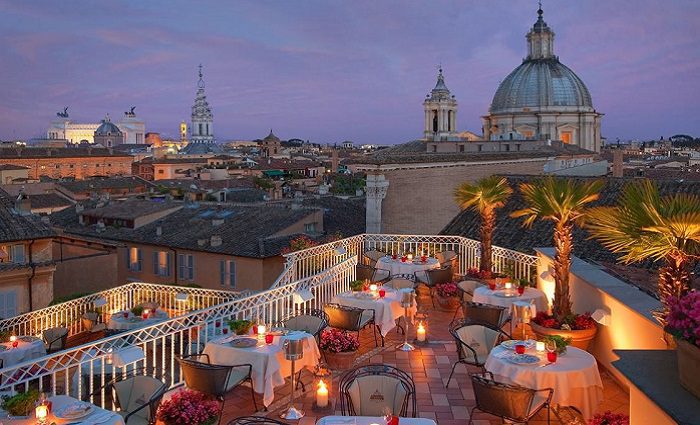
Bio Hotel Raphael ⭐⭐⭐⭐⭐
Piazza Navona • Terrace
Luxury hotel with a rooftop restaurant plus spacious and calming suites near Piazza Navona.
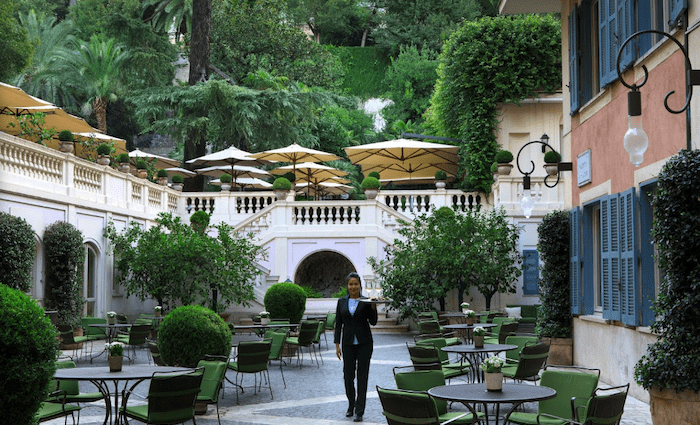
Hotel de Russie ⭐⭐⭐⭐⭐
Timeless Luxury • Spanish Steps
Popular hotel for VIPs like Bruce Springsteen with a classic Italian style and a dreamy courtyard.
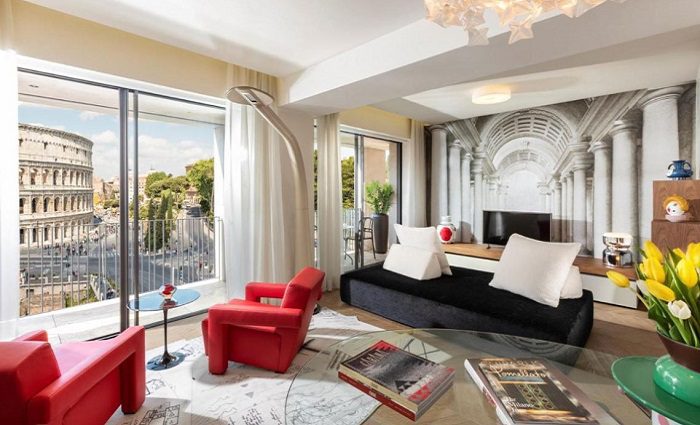
Palazzo Manfredi ⭐⭐⭐⭐⭐
Luxury • Near Colosseum • Terrace
Wake up to views of the Colosseum and enjoy meals on a stunning terrace in this top hotel in Monti.
How Do You Become a Gladiator?

Most gladiators were enslaved men captured during conquest. If you were strong and healthy, you were sold to a gladiator owner, sent to gladiator school (ludus), trained for 1–2 years, and finally unleashed into the arena. The best ones became celebrities. The Gladiator school ruins still exist near the Colosseum today.
Types of Gladiators:
Murmillo
- Large shield, fish-shaped helmet
- Fought Thraex or Hoplomachus
- Represented Roman military might
Thraex (Thracian)
- Curved sword, small shield
- Exotic “barbarian” from Thrace
Hoplomachus
- Spear and dagger, Greek-style armor
- Modeled after hoplites from ancient Greece
Retiarius (Net Fighter)
- No helmet, net and trident
- Fast, unarmored, unpredictable
Secutor (Chaser)
- Smooth helmet to avoid nets
- The Retiarius’ natural rival
Interessante Fact: Gladiators were paired strategically for entertainment value—like a heavy, armored Secutor versus a light, fast Retiarius.
Top Colosseum Tours
A Colosseum tour is not optional. With underground chambers, architectural details, and layered history, it’s easy to miss the big picture without a guide.

Rome in a Day Tour with Colosseum and Vatican Museums
7 Hours | €€€
Enter the Sistine Chapel, Roman Forum, and see St. Peter’s Dome, Pantheon, Trevi Fountain, and more.
Book Now!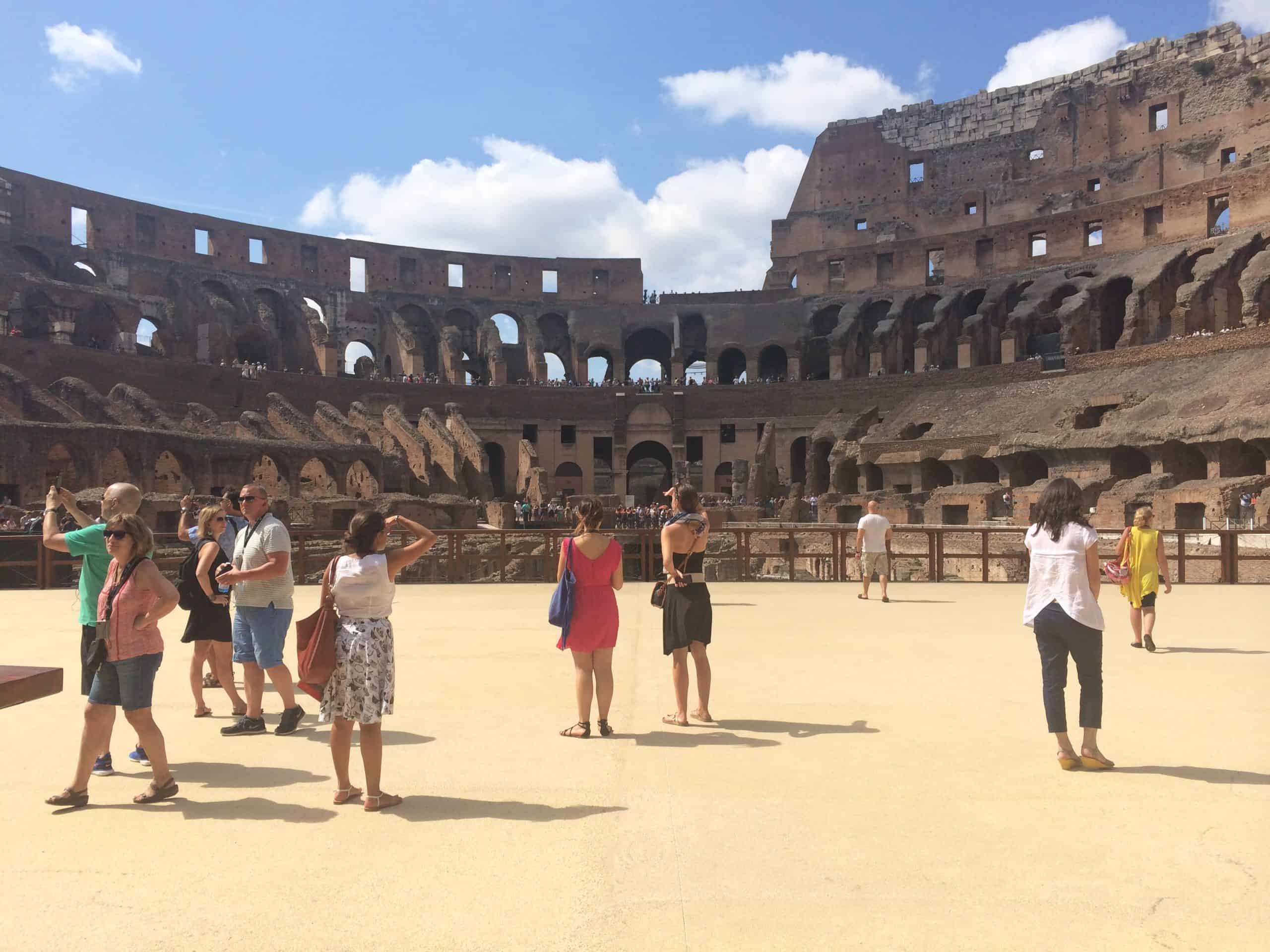
Special Access Colosseum Arena Floor Tour through the Gladiator’s Gate
3 Hours | €€
Walk in the footsteps of gladiators on the Colosseum floor and see the Roman Forum and Palatine Hill.
Book Now!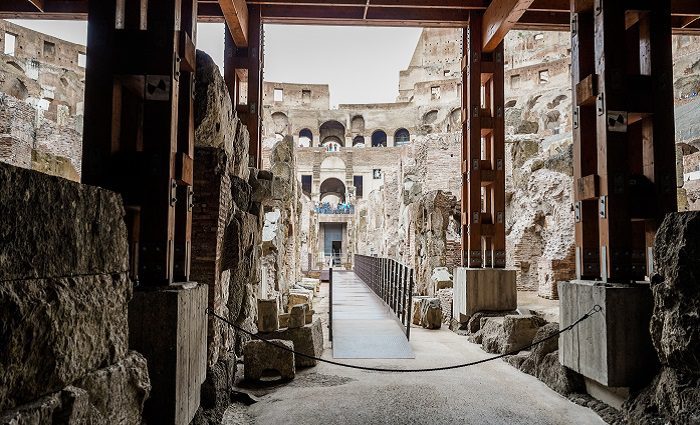
Colosseum Underground Tour with Roman Forum and Palatine Hill
3 Hours | €€€
Get special access to the Underground dungeons and Arena Floor on this guided tour.
Book Now!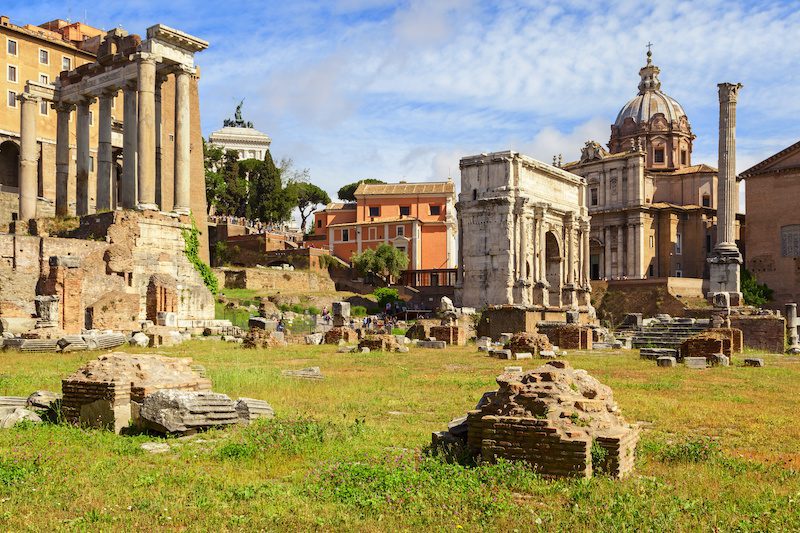
Privileged Entrance Colosseum Tour with Roman Forum & Palatine Hill
3 Hours | €
Skip the line at the Colosseum, plus Arch of Titus, Temple of Julius Caesar, and more.
Book Now!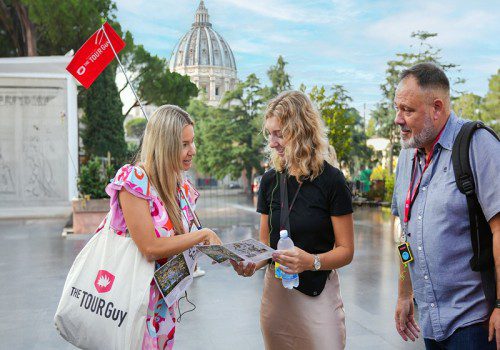
Private Rome in a Day Tour with Colosseum & Vatican Museums
7 Hours | €€€€€
See the best of Rome your way with a private guide at the Sistine Chapel, Trevi Fountain, and more!.
Book Now!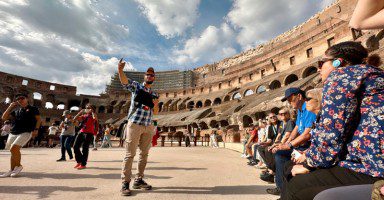
Semi-Private Colosseum Tour with Arena Floor
3 Hours | €€€
Stand where gladiators fought on the Colosseum floor, then tour the Roman Forum and Palatine Hill.
Book Now!Compare Colosseum Tours & Pick The Best For You
Final Thoughts
The Colosseum isn’t just another stop—it’s the symbol of Rome’s imperial legacy, a stadium soaked in blood, politics, and pageantry. If you’re going to visit once in your life, make it count. Book early, skip the lines, and go with a guide who actually knows what they’re talking about.
Helpful reads for your Rome trip:
Things to See at the Colosseum

Pitch us on your story by emailing Press@thetourguy.com